












The 6.5 Creedmoor was an overnight success that only took about a decade to gain traction. The brainchild of Dave Emary and Dennis DeMille, the cartridge was introduced in 2007. It was aimed primarily at competitive shooters, with whom it caught on pretty quickly. The Hornady engineers mated a sleek 140-grain bullet (the Extremely Low Drag — Match, or ELD-M) with a very efficient cartridge case, a match-quality chamber, and a properly spun barrel. The result is outstanding accuracy, along with decent energy and very reasonable recoil. Hornady even printed the recipe for the load right on the cartridge box, so new adopters could replicate the very accurate load. What’s not to like?
Well, wildcatters are never satisfied, and many started experimenting with the 6.5 CM. Writer John Snow necked it down to a .243 diameter and called it the 6mm Creedmoor. Essentially an updated 243 Winchester, the 6 Creed followed the same formula as the 6.5 CM and enjoyed even more success in the competition world. We have seen surveys of Top 100 Precision Rifle Series shooters that place the 6 Creed as high as second on the list of preferred cartridges for that sport, with the 6 Dasher being the current favorite. Members of the Houston test group can personally attest to the effectiveness of the 6mm Creedmoor on long-range steel plates as well as much closer Texas whitetail deer.
Later came the 22 Creedmoor in an effort to provide lightning in a bottle for varmint hunters. One current Hornady load pushes the 80-grain ELD-X (Extremely Low Drag – eXpanding) bullets out of the muzzle at almost 3300 fps. This generates more than 1900 foot-pounds of energy out of a 22-caliber rifle. While a real barn burner on coyotes, it can also have that effect on barrels, and we understand barrel life can be somewhat short. Still, 750 rounds or so is more than most shooters will use in a firearm’s lifetime.
More than three years ago, we started hearing about yet another wildcat based on the 6.5 CM, wherein the parent case was necked down to 25 caliber. Essentially splitting the difference between the 6 CM and 6.5 CM, the new round promised better energy downrange than the 6 Creed with slightly less recoil than the 6.5 Creedmoor. Both of these elements are major factors in the long-range rifle games, where the bullet needs to hit hard enough that impacts can be spotted while recoiling lightly enough so that, once again, impacts can be spotted. It took a few years, but in May 2025, Hornady completed its initial development of the 25 Creedmoor. The company sponsored the new cartridge to SAAMI (Sporting Arms and Ammunition Manufacturer’s Institute), which approved the standardized the 25 Creedmoor for general use.
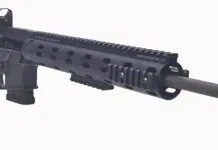
The announcement of the 25 Creed’s official release to the public caught our attention, as did the list of rifle makers who were planning on supporting the new round. While many of these platforms will take some time to be available at retail, we grabbed one of the first samples to hit the market. Our test rifle came from Weatherby and is based on the Model 307 action. This Range XP 2.0 sports a hand-camouflaged stock, an adjustable cheekpiece, 22-inch fluted barrel with muzzle brake, and an action that is part Remington and part Savage with just a hint of AR-15 thrown in.
The Houston test team consists of members who both hunt and shoot competitively, and they wondered how the new round fared against some of their favorite cartridges in the field and on the range, as well as some other rounds in the midrange segment. Rather than testing the platform, for right now we wanted to know about the cartridge itself. Will the 25 CM be a flash in the pan? Could it be a market disrupter. Or will it be a footnote for competitive shooters someday?
To answer these questions, we went to some lengths to compare the 25 CM to its Creedmoor cousins as well as several familiar 25-caliber cartridges the Gun Tests readership might own. The most logical comparisons are, obviously, the 6.5 Creedmoor and the 6mm Creed. We needed to know if the numbers showed an advantage for the new cartridge based on familiar geometry. We also took a long look at several legacy 25-caliber cartridges already available. Also known as “quarter bores” for their .257-inch diameter, we tested the 25 Creed against the 250-3000 Savage, 257 Roberts standard-pressure load, a 257 Roberts +P load, and the 25-06 Remington.
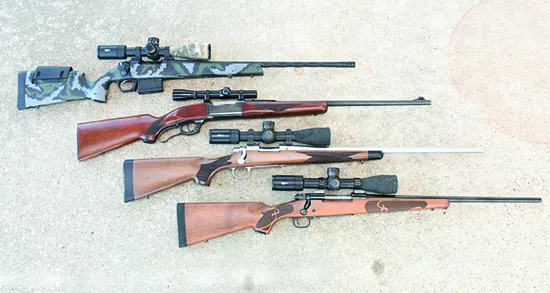
To run the cartridge comparisons, we were able to find a Savage Model 99 in 250-3000 Savage, along with a period-correct Lyman 2.75x fixed-power scope for this classic lever action. Next, we used a Remington 700 CDL chambered in 257 Roberts. This one is a special issue for the 75th anniversary of a cartridge Ned Roberts designed by necking a 7×57 Mauser down to 25 caliber. Luckily, the 25-06 Remington is still well represented by current manufacturers, and we chose a Winchester Model 70 Featherweight to run that round out of, which served us well. For the 6 Creedmoor, we pulled a Christiansen Arms MPR out of our closet. We used a Tikka T3X CTR in 6.5 Creedmoor (JRTXC382CA, $1290) for our 6.5 Creedmoor sample. This particular rifle has proven to be one of the most accurate rifles in our battery. Please note that we did not use these rifles for accuracy testing at this time. We used them to obtain velocity and energy data from authentic rifles. So the numbers are apples-to-apples comparisons between classic and very modern firearms. The question was how well-proven vintage chamberings — the kind many of you have in your safes already — match up against the latest and greatest cartridges modern ballistics engineers can design.
We ran the numbers from the muzzle to 500 yards looking for velocity, energy, bullet drop, and wind drift out to 500 yards as well. Muzzle-velocity figures were obtained using the above-mentioned rifles. The downrange data was calculated by the latest version of Applied Ballistics Quantum app for 200- and 500-yard ranges. This $30 app is available from most sources and has been our favorite over the years. We determined recoil energy using the Shooter’s Calculator found online at ShootersCalculator.com/recoil-calculator.php. Please note that we used the correct information from each cartridge tested, such as bullet weight, powder charge, velocity, etc. In the interest of consistency, we used the weight of the scoped Weatherby Range XP platform for all recoil calculations.
Although we could play “what if” games forever, we used actual velocities generated by the rounds in the rifles, irrespective of barrel length, except for one table. We ran two versions of the 6.5 data, one reporting the actual results with the Weatherby’s 22-inch hunting barrel. Then, we projected results using a 24-inch barrel. More on that later. Here’s what we found:
250-3000 Savage
| 250-3000 SAVAGE VERSUS 25 CREEDMOOR | |||
|---|---|---|---|
| Cartridge Bullet Firearm | 250-3000 Savage 100 Hornady Interlock Savage Model 99 | 25 Creedmoor 134 Hornady ELD-M Weatherby Range | Difference |
| Muzzle Velocity | 2681 fps | 2779 fps | 3.66% |
| Muzzle Energy | 1596 ft.-lbs. | 2298 ft.-lbs. | 43.98% |
| Recoil Energy | 6.3 ft.-lbs. | 11.68 ft.-lbs. | 85.40% |
| 200-Yard Velocity | 2169 fps | 2504 fps | 15.44% |
| 200-Yard Drop | 14.25 in. | 12.55 in. | -11.93% |
| 200-Yard Drift, 5-mph Wind | 2.62 in. | 1.05 in. | -59.73% |
| 200-Yard Drift, 10-mph Wind | 4.71 in. | 2.11 in. | -55.26% |
| 200-Yard Energy | 1596 ft.-lbs. | 2299 ft.-lbs. | 43.98% |
| 500-Yard Velocity | 1524 fps | 2121 fps | 39.17% |
| 500-Yard Drop | 93.57 in. | 71.02 in. | -24.10% |
| 500-Yard Drift, 5-mph Wind | 18.32 in. | 7.91 in. | -56.86% |
| 500-Yard Drift, 10-mph Wind | 35.34 in. | 15.81 in. | -55.26% |
| 500-Yard Energy | 516 ft.-lbs. | 1339 ft.-lbs. | 159.55% |
| 1000 Foot-Pound Range | 265 yards | 740 yards | 179.25% |
Savage brought us this marvelous little cartridge in 1913. Created by shortening a 30-06 case (a lot) and adding a sharper shoulder angle, early versions were able to take advantage of the rotary magazine on Savage’s revolutionary Model 99 and safely handle a spitzer bullet in a lever-action rifle. Initial efforts that mated an 87-grain spitzer bullet to a medium-sized case could push that bullet to more than 3000 fps — the “3000” part of the 250-3000 name. This came at a point in history when many cartridges could barely push 2000 fps. Decades ahead of its time at its birth, we compared the now-vintage 250-3000 case many of you own to the 25 Creedmoor. With a little less taper on the 250-3000 and a more-modern bullet, the two cartridges would look very similar. But they don’t perform the same.
This test group is composed of folks who like classic designs. In this case, we fired the 250-3000 from a well-maintained Model 99 Savage with a Lyman 2.75x fixed-power scope. The Savage Model 99 was designed in 1899, and the scope dates back to 1935. Neither were produced quite that long ago, but both showed signs of use.
We tested using a mid-weight bullet at 100 grains. Recoil energy on this combination was a mere 6.3 foot-pounds, making it a wonderfully soft-shooting rifle, perfect for a new or recoil-sensitive shooter. The 25 CM produces a little less than 12 foot-pounds in comparison. The 25 CM then wins every other measurement we used. Muzzle energy of the 25 CM was 44% greater than the 250-3000, a delta that remained the same through about 200 yards. By 500 yards, the 25 CM was generating almost 160% of the energy from the 250-3000. By 200 yards, both the 5-mph and 10-mph winds were generating more than twice as much deflection for the 250-3000 versus the 25 CM. The MWR (maximum whitetail range, at which a round maintains 1000 foot-pounds of energy) is 265 yards for the 250-3000. That is plenty of energy for most hunts. The 25 CM shows a MWR of 740 yards. We like soft-shooting deer rifles and have no plans to dispose of our vintage Savage, but the difference in numbers got our attention.
257 Roberts
| 257 ROBERTS VERSUS 25 CREEDMOOR | |||
|---|---|---|---|
| Cartridge Bullet Firearm | 257 Roberts 117 Sierra JSP Remington 700 | 25 Creedmoor 134 Hornady ELD-M Weatherby Range | Difference |
| Muzzle Velocity | 2671 fps | 2779 fps | 4.04% |
| Muzzle Energy | 1854 ft.-lbs. | 2298 ft.-lbs. | 23.98% |
| Recoil Energy | 10.78 ft.-lbs. | 11.68 ft.-lbs. | 8.35% |
| 200-Yard Velocity | 2200 fps | 2504 fps | 13.82% |
| 200-Yard Drop | 14.28 in. | 12.55 in. | -12.11% |
| 200-Yard Drift, 5-mph Wind | 2.09 in. | 1.05 in. | -49.67% |
| 200-Yard Drift, 10-mph Wind | 4.19 in. | 2.11 in. | -49.67% |
| 200-Yard Energy | 1854 ft.-lbs. | 2299 ft.-lbs. | 23.98% |
| 500-Yard Velocity | 1595 fps | 2121 fps | 32.98% |
| 500-Yard Drop | 68.71 in. | 71.02 in. | 3.36% |
| 500-Yard Drift, 5-mph Wind | 18.32 in. | 7.91 in. | -56.86% |
| 500-Yard Drift, 10-mph Wind | 32.72 in. | 15.81 in. | -51.68% |
| 500-Yard Energy | 661 ft.-lbs. | 1339 ft.-lbs. | 102.55% |
| 1000 Foot-Pound Range | 310 yards | 740 yards | 138.71% |
Initially designed in 1925 by Ned Roberts, who necked a 7×57 Mauser case down to 25 caliber, it was engineered to push heavier bullets than the 250-3000 and produced a substantial increase in energy as it did so. We used a Remington 700 CDL Special model with a fluted stainless-steel barrel. Released in 2000 on the 75th anniversary of the 257 Roberts, our rifle sports a black-walnut stock and engraved floorplate.
The 257 Roberts ammunition from Remington pushed a Sierra 117-grain bullet to just less than 2700 fps, where the 25 CM uses a 134-grain Hornady ELD-M at 2779 fps. The net was a 4% win for the 25 CM on velocity, and the heavier bullet yielded a 24% increase in muzzle energy for the 25 CM. With the exception of slightly softer recoil numbers for the 257 Roberts, it fell behind the 25 CM in every other category. Wind drift at both 200 and 500 yards was less than half that of the 257 Roberts rifle. Energy remaining at 500 yards for the 25 CM was still 1339 foot-pounds, where the 257 had decayed to 661 foot-pounds. The MWR was 310 yards versus 740 yards for the 25 CM.
The 257 Roberts (also known as “the Bob”) is absolutely a deer-worthy cartridge and a fun cartridge to talk about around the fire. That said, the 25 Creedmoor does it better, and much of that is due to design. With each of its cartridge-family introductions in the last ten years or so, Hornady has made sure that the chambers for the Creedmoor, ARC, and PRC groups have been designed in conjunction with the bullets. The result has been very tight chambers with the appropriate amount of free bore.
Perhaps even more important has been the twist rate on the barrels. Bullets are stabilized by the rotation imparted by the spin of the rifling. All other things being equal, the longer the bullet is, the faster the twist must be for it to be accurate. Many of our legacy 25-bore cartridges were designed for lighter-weight bullets and used 1-in-14-inch twists, or something very similar. That simply will not stabilize the longer, heavier, more-aerodynamic bullets so popular today. Our Weatherby Range XP, for example, uses a 1:7.5 twist, almost double the RPM developed by the older rounds. What this has done is take existing concepts and make them fitting platforms for modern bullets. Think of the 6.5 Creedmoor being an updated 260 Remington. The 6mm Creedmoor is essentially an updated 243 Winchester, and so on. The 25 Creedmoor round does the same thing for quarter-bore fans.
257 Roberts +P
| 257 ROBERTS +P VS 25 CREEDMOOR | |||
|---|---|---|---|
| Cartridge Bullet Firearm | 257 Roberts 117 Hornady SST Remington 700 | 25 Creedmoor 134 Hornady ELD-M Weatherby Range | Difference |
| Muzzle Velocity | 3001 fps | 2779 fps | -7.40% |
| Muzzle Energy | 2340 ft.-lbs. | 2298 ft.-lbs. | -1.79% |
| Recoil Energy | 12.31 ft.-lbs. | 11.68 ft.-lbs. | -5.12% |
| 200-Yard Velocity | 2541 fps | 2504 fps | -1.46% |
| 200-Yard Drop | 11.00 in. | 12.55 in. | 14.09% |
| 200-Yards, 5-mph Wind | 1.57 in. | 1.05 in. | -32.90% |
| 200-Yards, 10-mph Wind | 3.14 in. | 2.11 in. | -32.89% |
| 200-Yard Energy | 1677 ft.-lbs. | 2299 ft.-lbs. | 37.06% |
| 500-Yard Velocity | 1933 fps | 2121 fps | 9.73% |
| 500-Yard Drop | 67.38 in. | 71.02 in. | 5.40% |
| 500-Yard Drift, 5-mph Wind | 9.16 in. | 7.91 in. | -13.71% |
| 500-Yard Drift, 10-mph Wind | 19.63 in. | 15.81 in. | -19.47% |
| 500-Yard Energy | 971 ft.-lbs. | 1339 ft.-lbs. | 37.89% |
| 1000 Foot-Pound Range | 480 yards | 740 yards | 54.17% |
There are two pressure levels for the 257 Roberts, with the greater being labeled +P, just as with many handgun rounds. In our testing thus far, the jump in pressure opened up the groups a bit while providing substantially more energy. For example, the standard load with a Remington 117-grain JSP yielded an average velocity of 2671 fps. The Hornady 117-grain SST +P load clocked an average of 3001 fps, which greatly changes the comparison. The 257 +P also generates more recoil energy — more kick. The 257 Roberts +P load is faster at the muzzle with greater energy than the 25 CM and less drop at 200 yards. Then the more efficient design of the 134-grain ELD-M bullet kicks in. Those 134-grain bullets show less wind drift at both the 200- and 500-yard distances, though the bullet drop is still a bit less for the 257 +P at 200 yards. After that, every comparison goes to the 25 CM. Now we just need to see if we can develop a load that delivers +P energy at standard-pressure accuracy.
25-06 Remington
| 25-06 REMINGTON VERSUS 25 CREEDMOOR | |||
|---|---|---|---|
| Cartridge Bullet Firearm | 25-06 Remington 117 Hornady Interlock Winchester M70 | 25 Creedmoor 134 Hornady ELD-M Weatherby Range | Difference |
| Muzzle Velocity | 2889 fps | 2779 fps | -3.80% |
| Muzzle Energy | 2169 ft.-lbs. | 2298 ft.-lbs. | 5.97% |
| Recoil Energy | 11.42 ft.-lbs. | 11.68 ft.-lbs. | 2.28% |
| 200-Yard Velocity | 2251 fps | 2504 fps | 11.24% |
| 200-Yard Drop | 13.89 in. | 12.55 in. | -9.65% |
| 200-Yard Drift, 5-mph Wind | 2.09 in. | 1.05 in. | -49.67% |
| 200-Yard Drift, 10-mph Wind | 3.66 in. | 2.11 in. | -42.48% |
| 200-Yard Energy | 2169 ft.-lbs. | 2299 ft.-lbs. | 5.97% |
| 500-Yard Velocity | 1689 fps | 2121 fps | 25.58% |
| 500-Yard Drop | 86.9 in. | 71.02 in. | -18.24% |
| 500-Yard Drift, 5-mph Wind | 9.16 in. | 7.91 in. | -13.71% |
| 500-Yard Drift, 10-mph Wind | 17.01 in. | 15.81 in. | -7.08% |
| 500-Yard Energy | 741 ft.-lbs. | 1339 ft.-lbs. | 80.61% |
| 1000 Foot-Pound Range | 415 yards | 740 yards | 78.31% |
Perhaps our greatest curiosity, and therefore our greatest surprise, came with how the much-shorter 25 Creedmoor compared to the well-proven 25-06 Remington. We tested using another beautifully stocked rifle from Winchester in the Model 70 Featherweight. Both it and the Remington Model 700 257 Roberts can fairly be described as classically elegant rifles.
Known for its accuracy, light recoil, and ability to nail varmints and deer way out across the prairie, our tests showed the 25-06 coming in second place in every category, except recoil energy and initial muzzle velocity. Using less than 90% of the powder that we weighed in our 25-06 sample, the 25 CM was about 100 fps slower at the muzzle but was 250 fps faster at 200 yards. Bullet drop for the 25 CM was almost 10% less at 200 yards and 18% less at 500 yards. The 25 CM has about 50% less wind deflection at 200 yards, though that discrepancy was not as great at 500 yards. Long-range energy was still substantially different, with the 25-06 generating 741 foot-pounds at 500 yards, while the 25 CM could still post 1339 foot-pounds. Max Whitetail Range was 415 yards for the 25-06, versus the previously documented 740 yards for the 25 CM. Also note that the 25-06 requires a long action instead of the short version allowed by the 25 CM.
6mm Creedmoor
| 6MM CREEDMOOR VERSUS 25 CREEDMOOR | |||
|---|---|---|---|
| Cartridge Bullet Firearm | 6mm Creedmoor 103 Hornady ELD-X Christensen | 25 Creedmoor 134 Hornady ELD-M Weatherby Range | Difference |
| Muzzle Velocity | 2919 fps | 2779 fps | -4.80% |
| Muzzle Energy | 1949 ft.-lbs. | 2298 ft.-lbs. | 17.90% |
| Recoil Energy | 8.69 ft.-lbs. | 11.68 ft.-lbs. | 34.40% |
| 200-Yard Velocity | 2577 fps | 2504 fps | -2.80% |
| 200-Yard Drop | 10.6 in. | 12.55 in. | 18.40% |
| 200-Yard Drift, 5-mph Wind | 1.05 in. | 1.05 in. | 0.00% |
| 200-Yard Drift, 10-mph Wind | 2.09 in. | 2.11 in. | 0.70% |
| 200-Yard Energy | 1949 ft.-lbs. | 2299 ft.-lbs. | 17.90% |
| 500-Yard Velocity | 2036 fps | 2121 fps | 4.17% |
| 500-Yard Drop | 64.9 in. | 71.02 in. | 9.40% |
| 500-Yard Drift, 5-mph Wind | 6.54 in. | 7.91 in. | 20.80% |
| 500-Yard Drift, 10-mph Wind | 14.4 in. | 15.81 in. | 9.82% |
| 500-Yard Energy | 948 ft.-lbs. | 1339 ft.-lbs. | 41.19% |
| 1000 Foot-Pound Range | 575 yards | 740 yards | 28.70% |
We used a Christensen Arms Modern Precision Rifle from a previous article as the test bed for the 6mm Creedmoor results. We also have extensive experience in using that cartridge in a Masterpiece Arms competition rifle. We thoroughly enjoyed both rifles and the cartridge. We also noted that there just isn’t much difference in the measurements for the 6mm CM and the 25 CM and wondered how that would translate into usable numbers. As it turns out, at least for the long-range shooter, the 6mm CM also has much to offer.
The 6mm CM is faster at the muzzle — actually, at every distance we projected — and wins the bullet-drop numbers. The drop at 200 yards is 11.2 inches for the 6 CM and 12.6 for the 25 CM. Those numbers at 500 yards are 62.6 inches and 71 inches respectively. That data bodes well for the shooter who needs to ring a steel plate at 1000 yards or a coyote at half that distance.
Where the 25 CM came into its own was with its downrange energy and ability to buck the wind. Energy for the 25 CM at 200 yards was 2300 foot-pounds, 100 more than the 6 CM. The 25 CM had equal or slightly less wind drift than the 6 CM at 200 yards, while increasing that to another inch or two less at 500 yards. Note that most people who miss at long range miss because of the wind. The saying in the business is that “elevation is science; wind is voodoo.” The tendency there being to underestimate wind and the correction needed. Even 2 inches can make a difference between a miss and an impact, or even a wounded animal.
The 500-yard projection shows a 200-fps advantage for the 25 CM. For the hunter, the advantage is obvious. For the competitive shooter, the additional velocity/energy could make the difference in being able to see if you actually hit that steel plate or spot the precise location of the impact in case of a miss, both of which lead to more intelligent corrections for the next shot.
The 6 CM shoots softer and faster. The 25 CM has more energy and ability to buck the wind. The shooter will have to decide what is most important.
6.5 Creedmoor
| 6.5 CREEDMOOR VERSUS 25 CREEDMOOR* | |||
|---|---|---|---|
| Cartridge Bullet Firearm | 6.5 Creedmoor 140 Hornady ELD-M Tikka T3x | 25 Creedmoor 134 Hornady ELD-M Weatherby Range | Difference |
| Muzzle Velocity | 2733 fps | 2779 fps | 1.68% |
| Muzzle Energy | 2323 ft.-lbs. | 2298 ft.-lbs. | -1.04% |
| Recoil Energy | 11.91 ft.-lbs. | 11.68 ft.-lbs. | -1.93% |
| 200-Yard Velocity | 2443 fps | 2504 fps | 2.50% |
| 200-Yard Drop | 12.64 in. | 12.55 in. | -0.71% |
| 200-Yard Drift, 5-mph Wind | 1.05 in. | 1.05 in. | 0.00% |
| 200-Yard Drift, 10-mph Wind | 2.62 in. | 2.11 in. | -19.54% |
| 200-Yard Energy | 2323 ft.-lbs. | 2299 ft.-lbs. | -1.04% |
| 500-Yard Velocity | 2041 fps | 2121 fps | 3.92% |
| 500-Yard Drop | 73.65 in. | 71.02 in. | -3.57% |
| 500-Yard Drift, 5-mph Wind | 9.22 in. | 7.91 in. | -14.29% |
| 500-Yard Drift, 10-mph Wind | 17.13 in. | 15.81 in. | -7.69% |
| 500-Yard Energy | 1295 ft.-lbs. | 1339 ft.-lbs. | 3.36% |
| 1000 Foot-Pound Range | 695 yards | 740 yards | 6.47% |
*Actual 22-inch barrel.
We worked with Hornady factory ammunition using the 140-grain ELD-Match ammo for the 6.5 CM and the 134-grain ELD-Match load for the 25 Creed. At first glance, we didn’t spot any substantial advantage for the 25 CM. Taking a look at the accompanying chart, note that muzzle velocity for the 25 CM is slightly greater than the 6.5 CM, enough so that it carries a bit more energy, even with the lighter bullet. Velocity for both cartridges was more than 2700 fps, with both posting energy numbers around 2300 foot-pounds. Recoil energy was a fraction less (about 2%) for the 25 CM. Advantages for the 25 CM started showing up around 200 yards. By that point, the 25 CM had assumed the lead in velocity and showed a 20% improvement in drift in a 10-mph wind. By 500 yards, the 25 CM was showing an advantage in every category — velocity, energy, wind drift, and bullet drop. While the differences seem slight, one of our testers remembers a USPSA match he lost years ago by 0.03 seconds. As a result, we’ve never forgotten the difference that 2% here and 3% there can make on a final score.
We also looked at how that number might make more difference to hunters. Conventional wisdom seems to hold that a shooter would want a cartridge and a maximum range that allows the bullet to generate at least 1000 foot-pounds of energy for harvesting animals up through the whitetail weight class. Once again, Applied Ballistics Quantum generated the projected max range for us at which each cartridge would generate 1000 foot-pounds of energy. The 25 CM maintains the 1000 foot-pounds floor to 740 yards, while the 6.5 CM drops below that at 695 yards. Both distances are farther than we would shoot at a deer, but we wanted to know how the downrange energy compared.
We see a slight advantage the 25 Creedmoor might offer to the competitive shooter, so we have a replacement 25 Creedmoor barrel ordered from Masterpiece Arms. We plan to compare the two cartridges from the same platform at 1000 yards soon.
For the hunter, we reached a slightly different conclusion. The 25 CM may have a little better energy at distance, along with less drop and wind deflection. When we considered the ubiquity of 6.5 Creedmoor ammo and components next to the paucity of fodder for the 25 CM, we don’t expect to be trading in our 6.5 CM rifles for the 25 CM versions anytime soon.
Looking back at these numbers, we noticed a difference in the various rifles that might put the Weatherby 25 CM at a small disadvantage — the barrel length. Every rifle we used as a test platform had a 24-inch barrel, except for the 25 CM. Could that 2-inch-shorter tube have a real effect on the data? Since we are spreadsheet kinda folks, we decided to check.
Multiple test results we’ve seen over the years suggest that a shooter can expect a delta of about 25 fps per inch (up or down) with an appropriately longer or shorter barrel in 6.5 CM. Because the 25 CM Weatherby has a hunting-appropriate 22-inch barrel, we spotted it 46 fps to bring it up to a nice round 2825 fps against the 6.5 CM’s 24-inch barrel. The results, while not jaw dropping, were very interesting. With a less than 50 fps increase in muzzle velocity, the 25 CM tops the 6.5 CM in every category, except recoil energy, where it was about 2% less, a slight advantage to the 25 CM. Energy is likewise greater at every range with the 25 CM over the 6.5 CM, bullet drop is less, and wind drift decreases as well. With the slight velocity bump, energy pushes 1400 foot-pounds at 500 yards — more than double what is produced by some very respected cartridges.
| 6.5 CREEDMOOR VERSUS 25 CREEDMOOR* | |||
|---|---|---|---|
| Cartridge Bullet Firearm | 6.5 Creedmoor 140 Hornady ELD-M Tikka T3x | 25 Creedmoor 134 Hornady ELD-M Weatherby Range | Difference |
| Muzzle Velocity | 2733 fps | 2825 fps | 3.40% |
| Muzzle Energy | 2323 ft.-lbs. | 2375 ft.-lbs. | 2.30% |
| Recoil Energy | 11.91 ft.-lbs. | 11.92 ft.-lbs. | 0.10% |
| 200-Yard Velocity | 2443 fps | 2545 fps | 4.20% |
| 200-Yard Drop | 12.64 in. | 12.3 in. | -2.70% |
| 200-Yard Drift, 5-mph Wind | 1.05 in. | 1.05 in. | 0.00% |
| 200-Yard Drift, 10-mph Wind | 2.62 in. | 2.09 in. | -20.00% |
| 200-Yard Energy | 2323 ft.-lbs. | 2375 ft.-lbs. | 2.30% |
| 500-Yard Velocity | 2041 fps | 2156 fps | 5.60% |
| 500-Yard Drop | 73.65 in. | 69.0 in. | -6.30% |
| 500-Yard Drift, 5-mph Wind | 9.16 in. | 7.85 in. | -14.30% |
| 500-Yard Drift, 10-mph Wind | 17.01 in. | 15.71 in. | -7.69% |
| 500-Yard Energy | 1295 ft.-lbs. | 1383 ft.-lbs. | 6.80% |
| 1000 Foot-Pound Range | 695 yards | 770 yards | 10.80% |
*Projected 24-inch barrel.
The Bottom Line
Our tests, though obviously not exhaustive, provided some fascinating information. The 25 Creedmoor showed selective advantages over the 6 Creedmoor, along with incremental, though consistent, improvements over the 6.5 Creedmoor. We like what we have seen thus far, and our experiments with the 25 CM will continue. Only time will tell us if those improvements are statistically significant in real, live shooting situations.
The legacy cartridges were a totally different story. Even the well-respected 25-06 fell a good bit short of the 25 CM. We love our old, wooden-stocked rifles. We like the checkered black walnut and the way it feels in our hands. We enjoy the historical cartridges and the memories they create, along with the challenges they provide. We’ll not give up our old guns, but we plan to shoot some new ones. We will absolutely give Hornady credit for another great cartridge along with a well-engineered rifle from Weatherby to go with them.
If we were buying new deer-hunting rifles in the 243 Winchester to 270 Winchester non-magnum range today, we would have to choose a chambering first. In that situation, we’d give the nod to the Creedmoors, with the 25 Creedmoor being our first overall pick, then the 6 Creedmoor, then the 6.5, depending on the size of animals we were hunting. The 25 CM handles a 134-grain bullet to great effect, just like the 270 Winchester’s 130-grain rounds of one or two or three generations ago. What’s beyond the numbers is market acceptance, and we can’t predict that. There’s a lot of cultural acceptance behind the legacy cartridges, and we love them, too, but the performances of the Creedmoors are hard to overlook.
For PRS or other distance-shooting games, the 6 CM looks awfully good, and we might have to pick it for most of our match shooting based on its lower recoil, but it’s a close call. We’ll know more after we put the 25 CM barrel on a proven platform and see what it does. Look for that follow up in a few months.
Written and photographed by Joe Woolley, using evaluations from Gun Tests Team members. GT