











Two of the most popular carry guns right now are the SIG P365 XL and the Glock 19, both midsize 9mm Lugers. The SIG is reportedly the best-selling concealed-carry gun in recent national totals. At one time, the Glock 19 was likewise a big seller nationally. So which is better for the concealed-carry purchaser today? We tested them to find out.
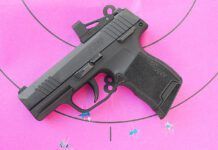
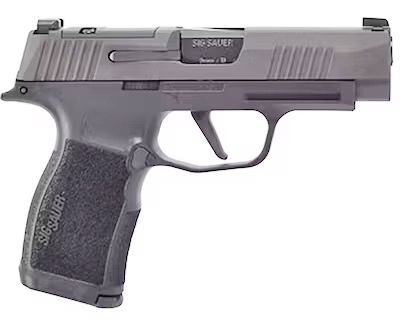
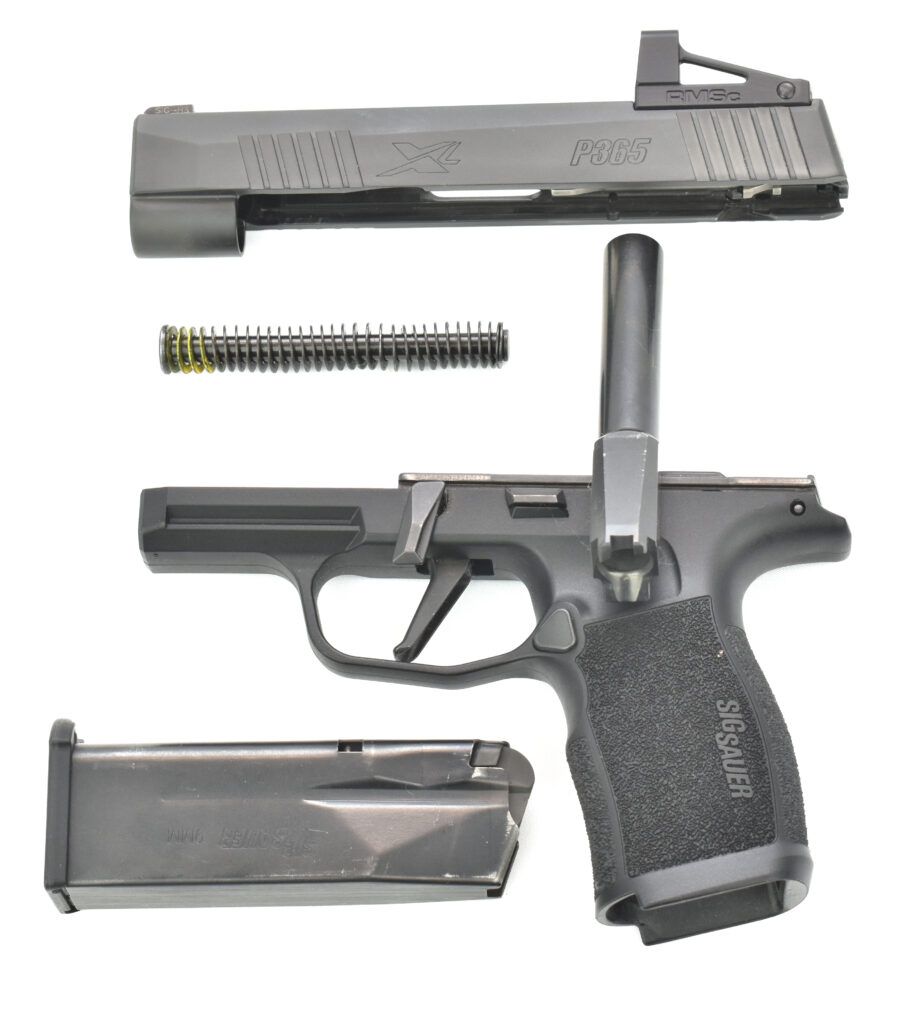
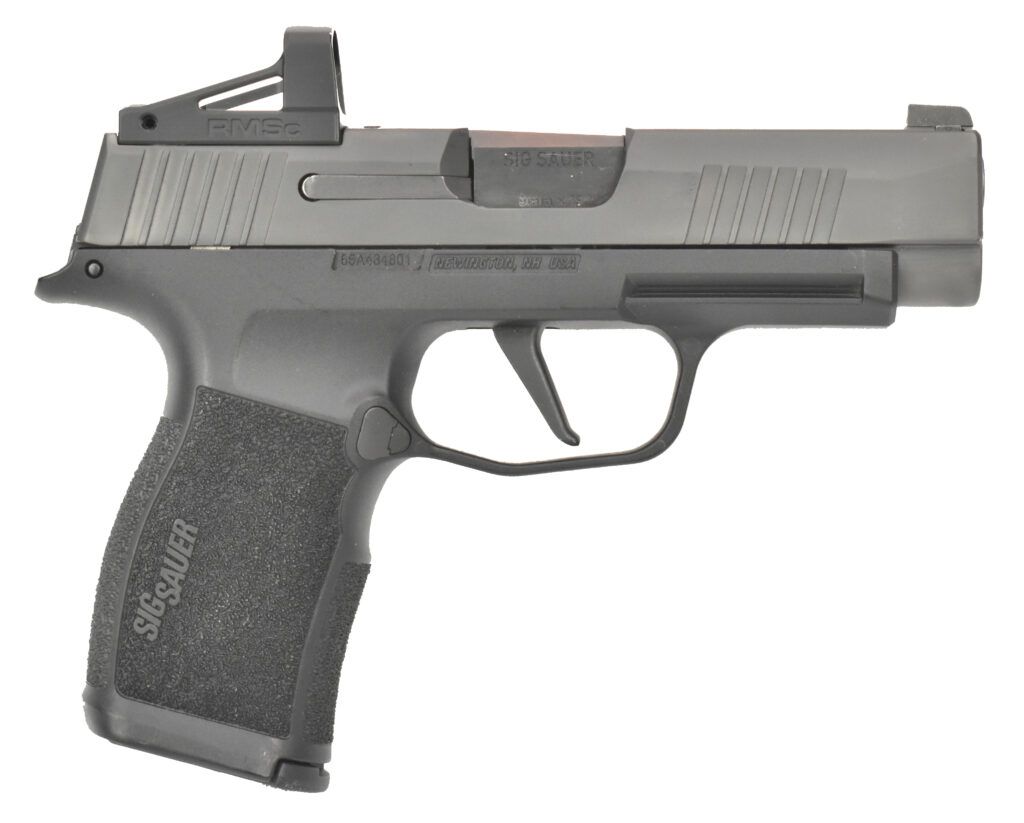
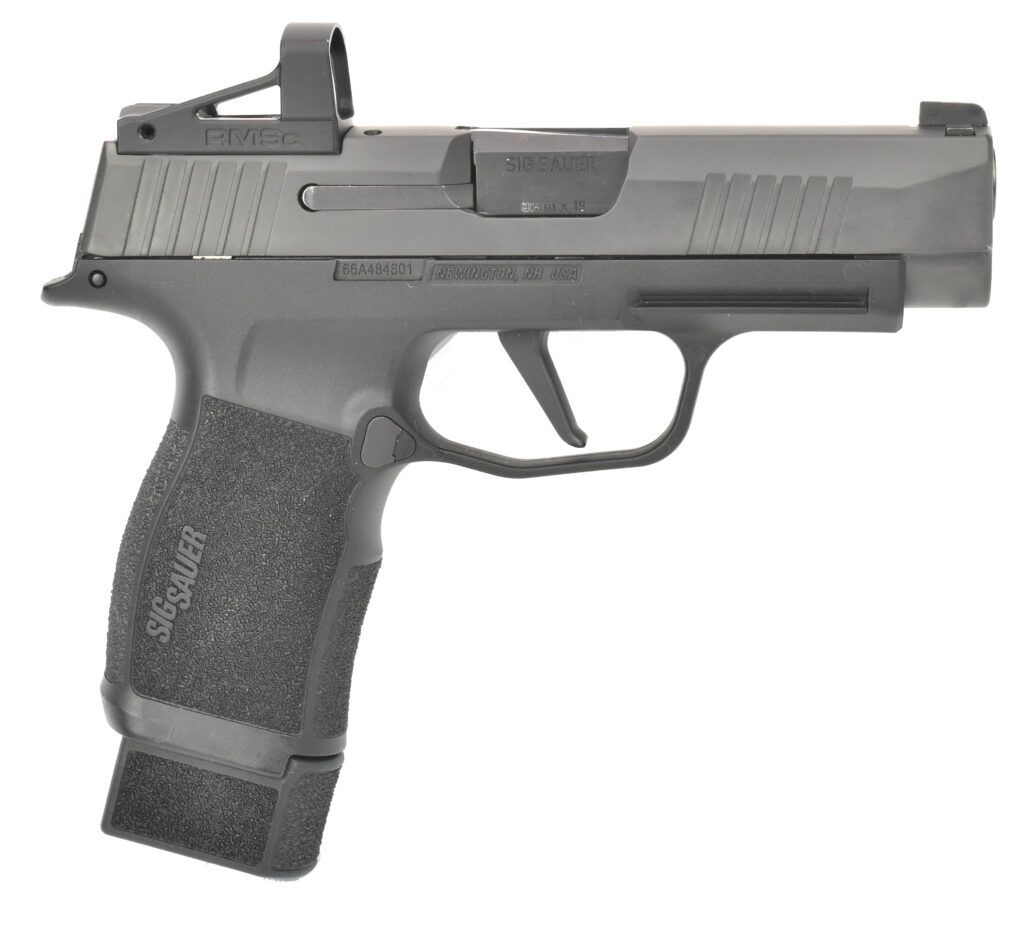
Our first test gun was the SIG Sauer P365XL 365XL9BXR3. SIG Sauer’s slightly larger version of the very popular P365 is called the P365XL, which adds another 0.6 inch to the barrel and lengthens the grip frame just enough to add two rounds to the capacity of a flush-fit magazine, bringing the total available to 12 in the mag. SIG recently introduced a 15-round magazine for this pistol that is available through their website at SIGSauer.com. That could bring total onboard ammo capacity to 15+1 rounds in a small package.
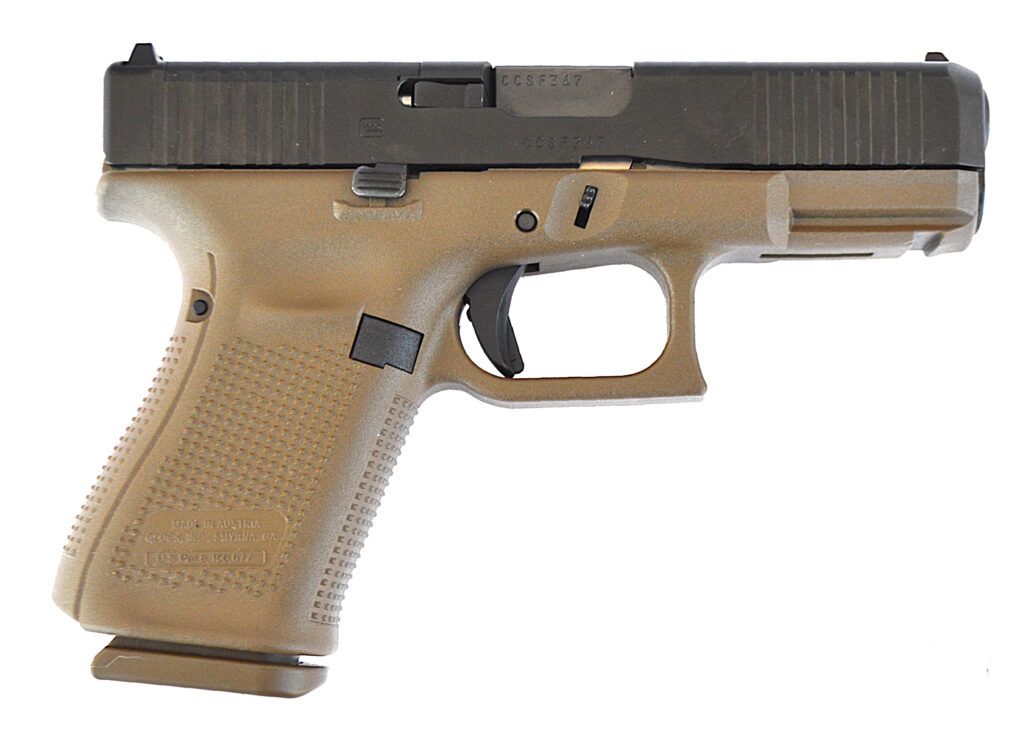
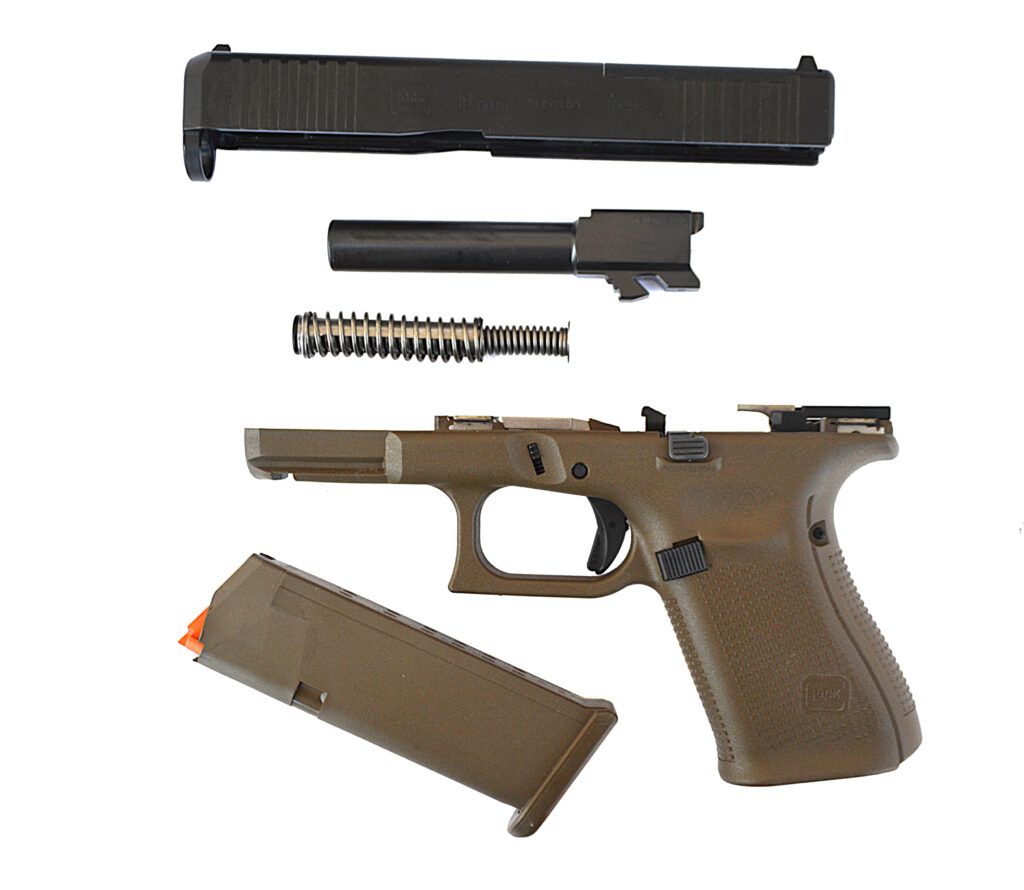
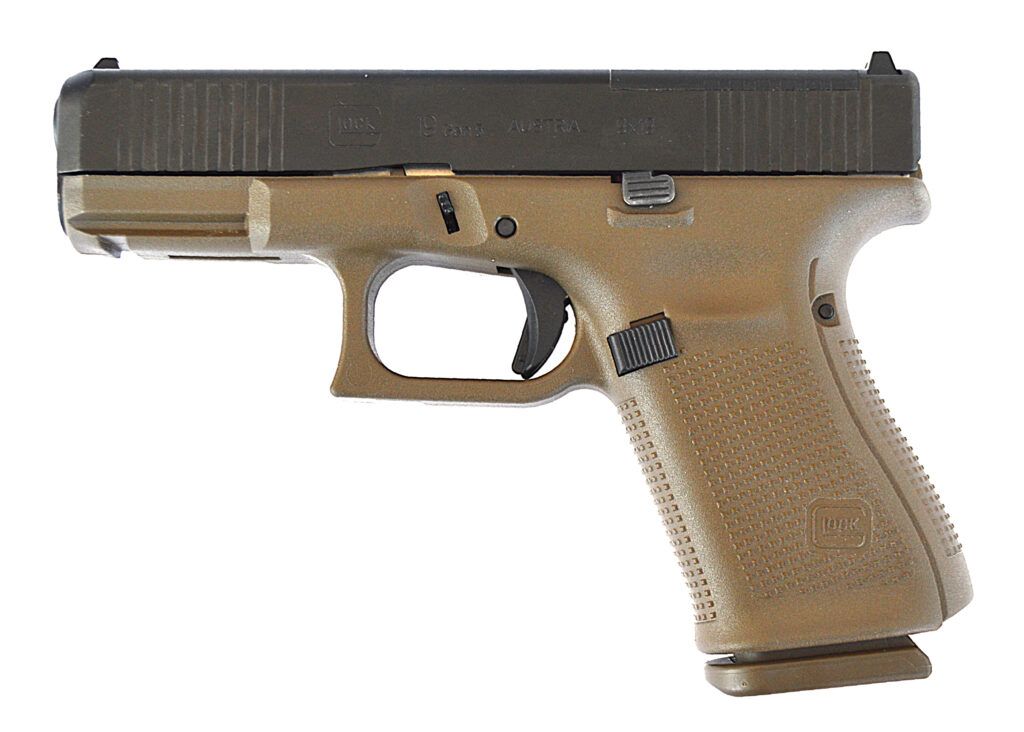
Our second gun was a Glock 19 Gen5 MOS PA195S203MOSDE. It’s been almost 10 years since the announcement of the Glock Modular Optics System, or MOS. This system uses a series of proprietary numbered plates to adapt the Glock MOS slide from simple iron sights to any of the popular red-dot patterns. The MOS system is fairly straightforward, but it can be difficult for those who have never tried to mount an optic on a pistol before. The manual offers a detailed explanation of the process, but an early pitfall to avoid when purchasing your initial MOS kit is to make sure to purchase the kit for the width of your handgun’s slide.
Overview
Many of the desirable features of this SIG Sauer P365 pistol remained unchanged in the larger XL. The slide is stainless steel with a Nitron finish. There are very functional cocking serrations front and rear on the slide. The extractor is external, and other controls are large enough to be easily activated while being small enough to stay out of the way. X-RAY 3 Day/Night sights are standard issue. The front sight is not fiber optic but is still very visible. The sight body contains a tritium lamp that glows green in the dark. The lamp is surrounded by a green plastic insert that our tests showed to be very visible in the sunlight. The rear sight also has two tritium lamps in a metal body that can be used as a flat surface suitable for slide manipulation in an emergency.
The Model 19 was the first Glock modification, it being a shortened-slide-and-grip version of the Glock 17 9mm. The Glock 19 is often touted as the ideal-size carry pistol with its 4-inch barrel, 15-round magazine, and 22-ounce weight. The Generation 5 is the newest Glock model (except for the new V lines), and the company has earned an enviable place in the market based on reliability and function. Glock has about three quarters of the police market sewed up, as well as a substantial part of the military market. In the civilian market, everyone seems to have a Glock. Glock was not the first polymer-frame pistol, but the striker-fired polymer-frame revolution certainly began with the Glock.
On Top
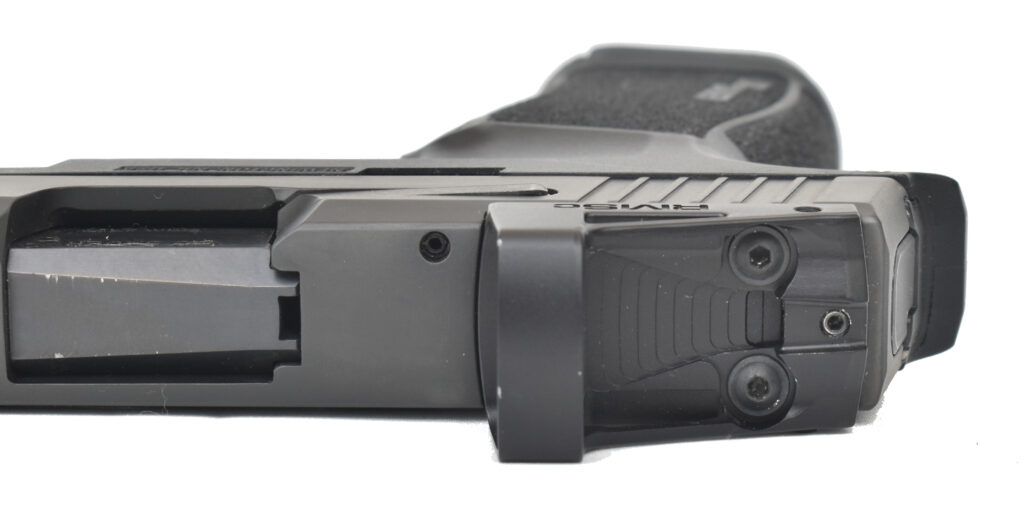
The SIG Sauer slide is milled out to allow the mounting of a red-dot sight. The cover for that milled slot is attached by two screws accessible from the bottom of the slide. When those two screws are removed, the cover-plate comes off, along with the rear sight, as two separate units. Please note the installation of a red-dot sight requires the removal of the rear sight. If you mount a red dot on the P365XL, you will not have a dedicated rear sight. We did fire the gun with a Shield RMSc, which has a cut in the rear of the sight body that allows a rear sight/front sight to co-witness while the red dot is installed. This same slot can also serve as an emergency rear sight. We tested the effectiveness of the slot, and it worked fine at 7 yards, but not as well as the standard rear sight.
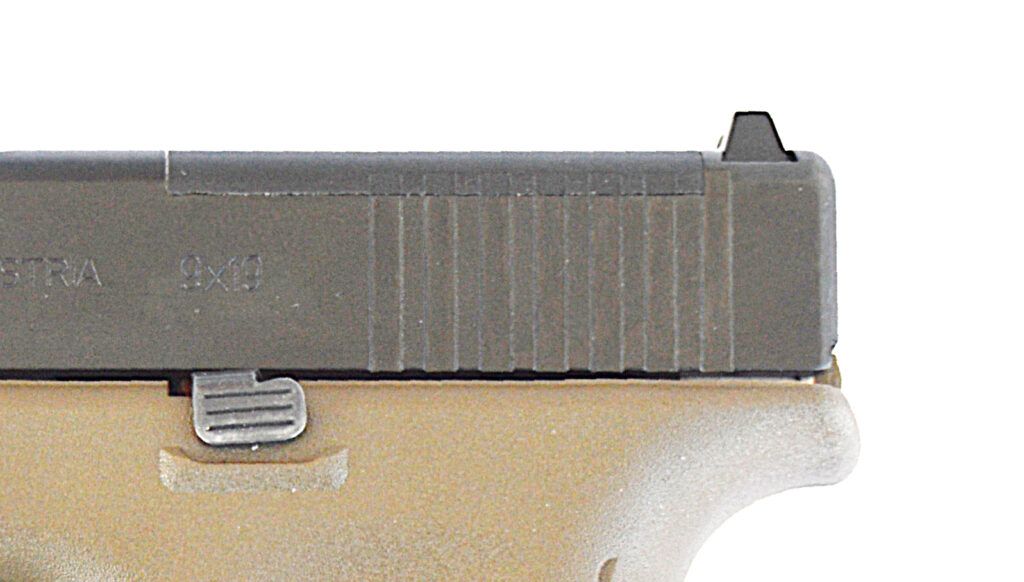
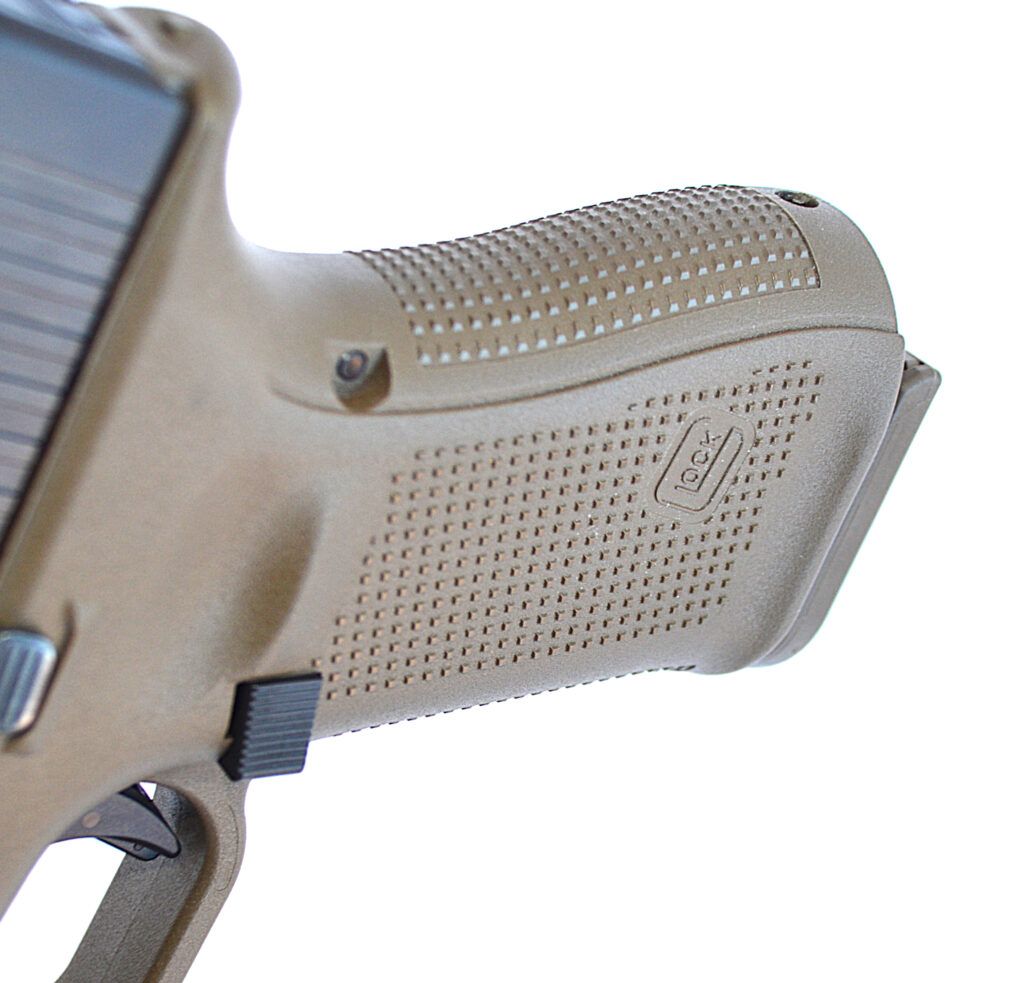
Glock Gen 5 guns feature an enlarged magazine well to facilitate rapid magazine changes. The pistol features forward cocking serrations and DLC finish on the slide. The Gen 5 guns also have an ambidextrous slide stop. The new barrel is designated the Marksman model, and it has proven more accurate than previous Glock tubes. Glock Gen 5 pistols usually feature a cut out for removing a stuck magazine, but the Glock tested here did not have this cut out. We have no explanation for this, but we have never seen a stuck Glock magazine.
Other Improvements
There were a few more improvements in the SIG Sauer we really like. The first was changing the curved trigger to a flat trigger like those used in SIG P320X models. The geometry of the flat trigger creates an almost vertical break point for the sear release and gives the shooter a bit more leverage. We found both of those points to aid our shooting with this pistol.
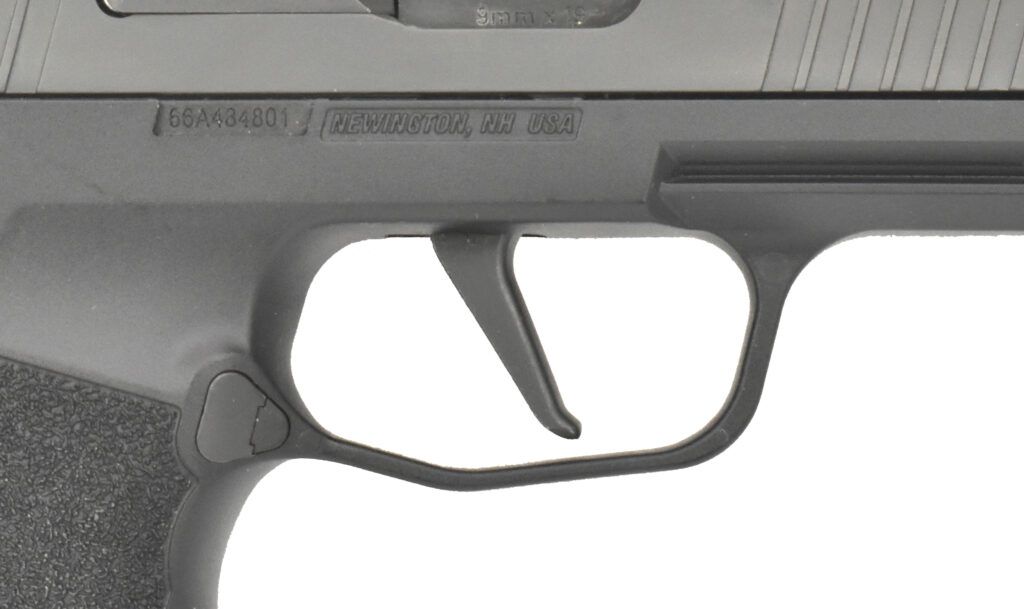
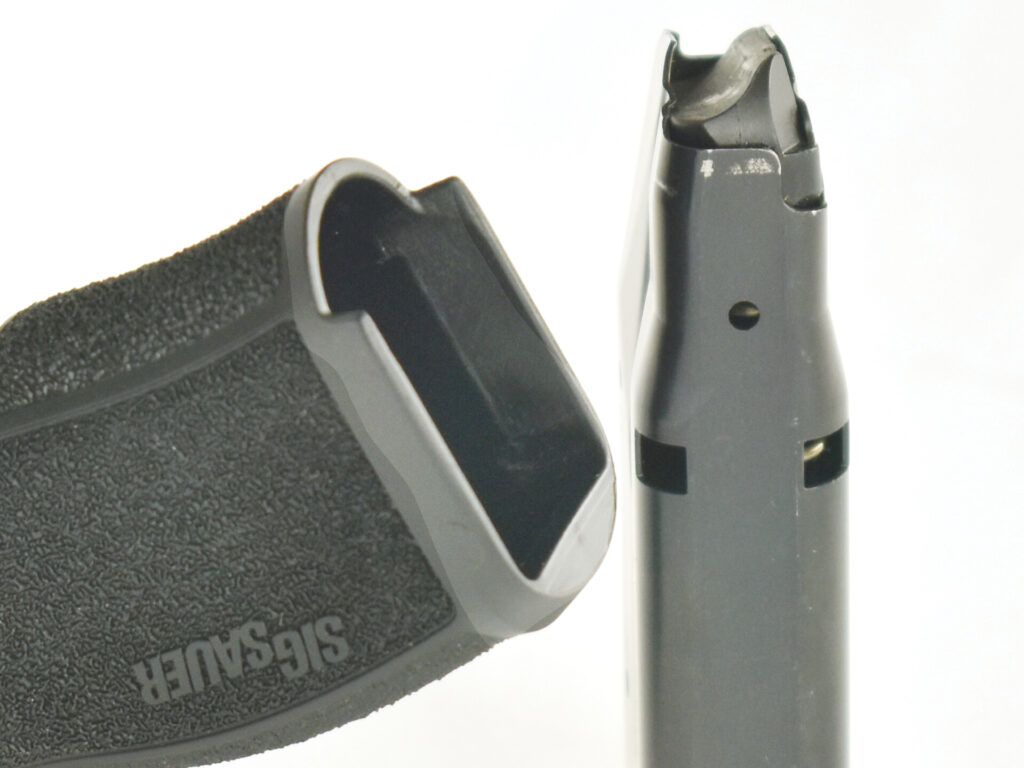
Next was the slight lengthening of the grip frame. A majority of people should now be able to get most of three fingers on the grip, which also helps in controlling the pistol under recoil. Like many other polymer-framed pistols, the magazine well on the P365XL is beveled to help the rapid insertion of a new magazine. The P365XL goes beyond that point and actually flares the magwell to make an even bigger opening. Our calipers show this only added a very acceptable 0.1 inch to the width of the pistol. This is still a very thin firearm. Though one of our very few complaints is that it is thin to the point where a Picatinny rail would not work with the design. A proprietary rail is on the fore end, but that can limit available accessories.
Like on other Glocks, this pistol’s Safe Action system features three safeties — a trigger safety, drop safety, and firing-pin safety. All are passive, there is no manual safety. The Glock’s trigger is 5.5 pounds and has a typical spongy feel, like most other Glock triggers we have tested. Grip pebbling is good, not too abrasive or too tacky. A rater with large hands changed backstraps on the Glock and felt that thus fitted, it was a light-kicking pistol.
Dimensions
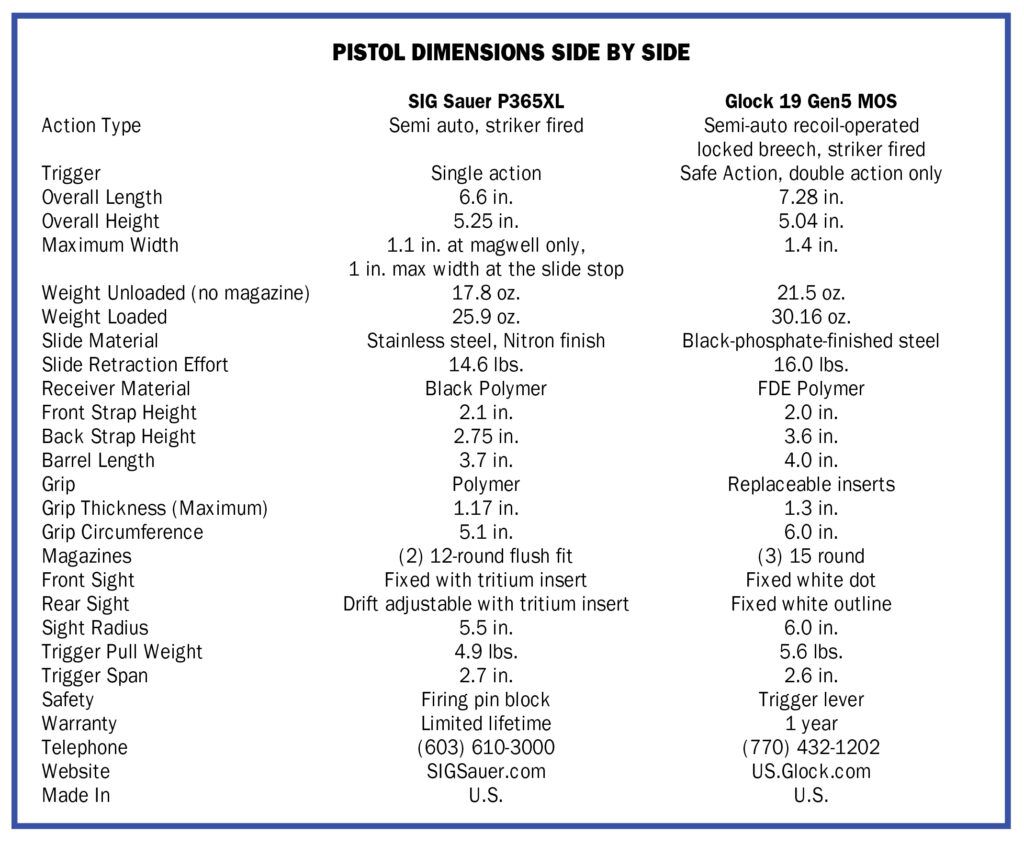
Other aspects worth noting were the SIG came with (2) 12-round flush fit magazines and the Glock had (3) 15 round magazines. The Front Sight on the SIG was fixed with a tritium insert, and the Glock had a fixed white dot. The SIG’s Rear Sight was drift adjustable with a tritium insert, where the Glock had a fixed white outline unit. Sight Radius for the SIG was 5.5 in. and the Glock 6.0 in. The SIG’s Trigger Pull Weight was 4.9 lbs. and the Glock’s 5.5 lbs. The SIG’s Trigger Span was 2.7 in., only a fraction more than the Glock’s 2.6 in.
At the Range
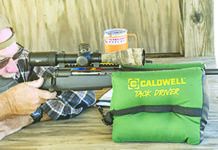
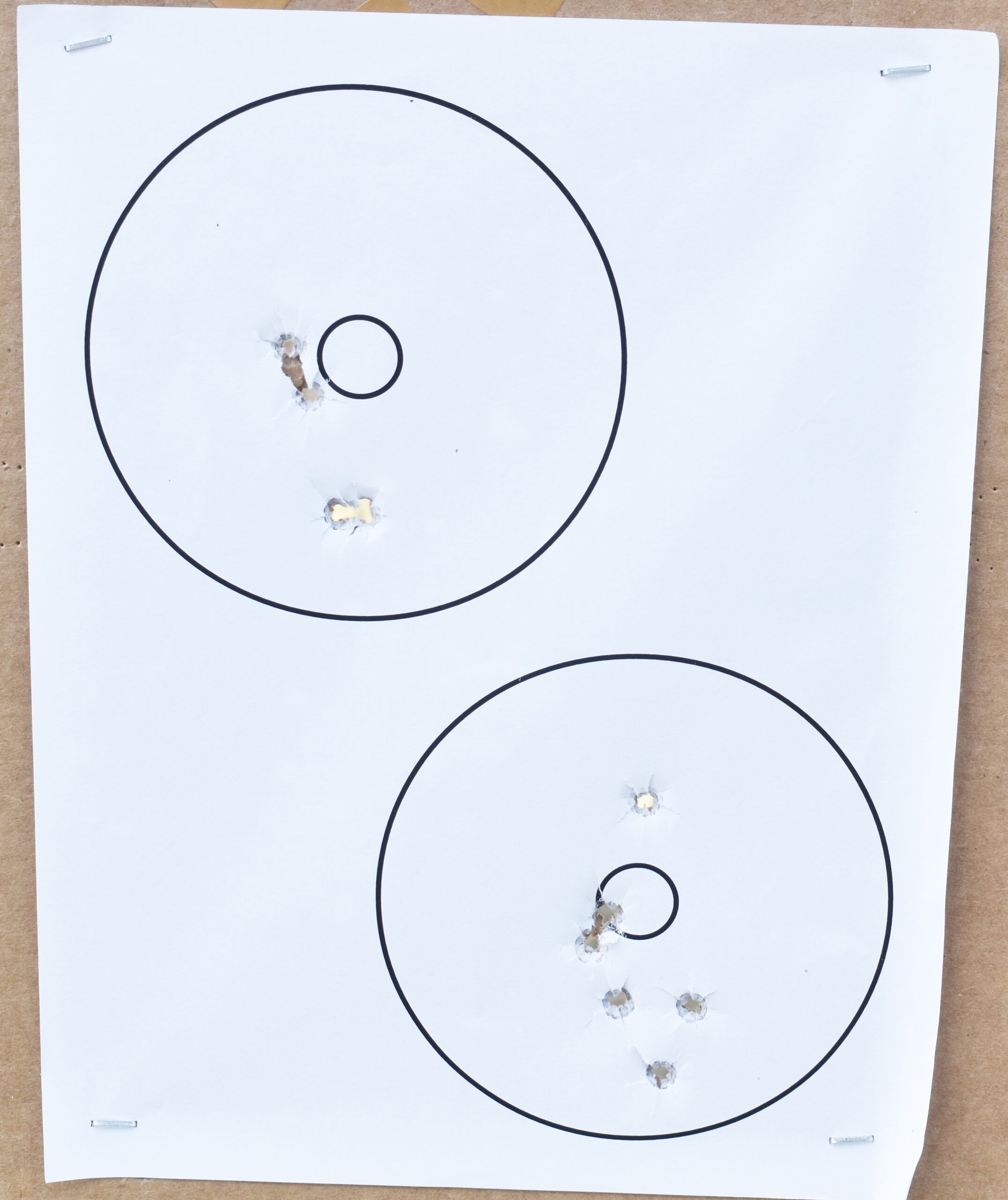
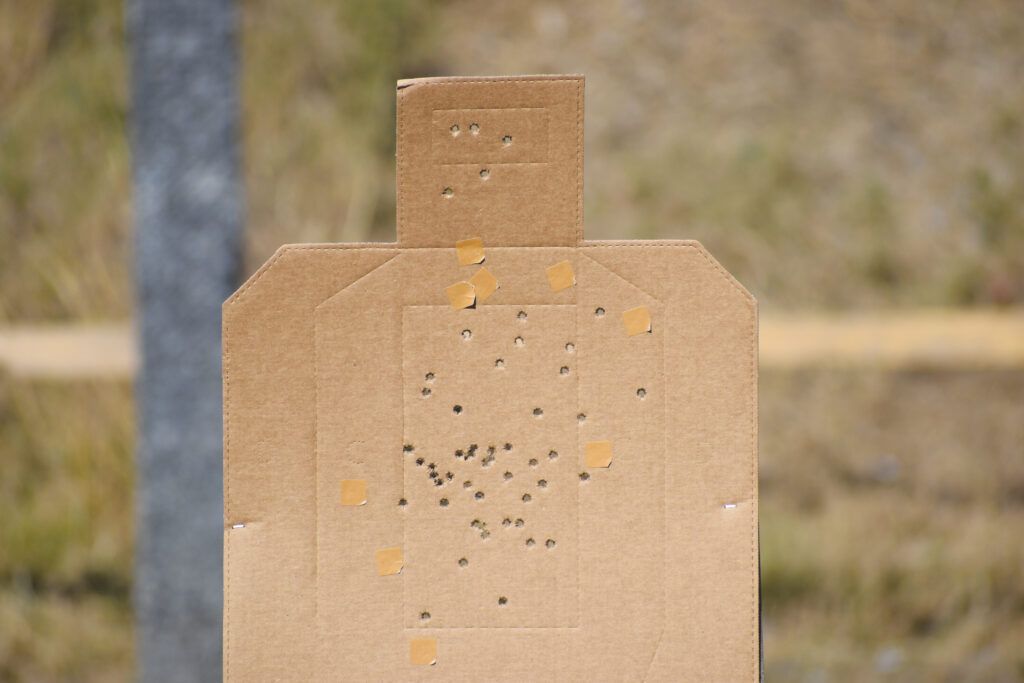
On the ballistic front, we shot the SIG for groups at 15 yards from a well-sandbagged Caldwell Pistol Rest, using multiple types of practice and defensive ammunition. In the SIG, with Black Hills HoneyBadger 100-grain FTM loads, we got an Average Velocity of 1186 fps, with Muzzle Energy of 313 ft.-lbs., and an Average Group size of 2.0 in. With SIG Sauer V-Crown115-grain JHPs, the stats were 1156 fps, 338 ft.-lbs. and 1.73 in. With Speer Gold Dot 124-grain JHPs, we saw Average Velocity 1100 fps, Muzzle Energy of 334 ft.-lbs., and an Average Group of 1.46 in. With Black Hills HoneyBadger 125-grain Subsonic FTM rounds we got Average Velocity of 983 fps, Muzzle Energy of 268 ft.-lbs., and an Average Group of 1.33 in. We had no issues with the SIG’s function.
For the Glock, we fired five-shot groups from a bench using an MTM Case-Gard K-Zone rest. The Glock 19 shot Black Hills Factory New 124-grain JHPs with an Average Velocity of 1101 fps, producing Muzzle Energy of 334 ft.-lbs. Average Group size was 2.0 in. With Hornady Critical Duty 135-grain FlexLocks, the Gen 5 got Average Velocity of 1070 fps and Muzzle Energy of 343 ft.-lbs. Average Group size was 1.75 in. With Federal Tactical LE 147-grain HSTs, the stats were Average Velocity of 980 fps, Muzzle Energy of 313 ft.-lbs. and an Average Group size of 1.75 in. The firing tests were uneventful, which we like. The Glock Gen 5 pistol is reliable, and we would be surprised if a Glock was not reliable.
Tale of the Tape
The pistols were of comparable, but still different dimensions. In Overall Length, the SIG came in at 6.6 in. and the Glock at 7.28 in. The SIG was slightly smaller in height, however, at 4.8 in. without the optic and 5.25 in. with the Shield in place. The Glock was 5.04 in. tall. The SIG’s Maximum Width was 1.1 in. at the magwell and 1 in. at the slide stop. The Glock’s width was 1.4 in. Weight Unloaded (no magazine) for the SIG was 17.8 oz. compared to the Glock at 21.5 oz. Weight Loaded for the SIG was 25.9 oz. and 30.16 oz. for the Glock. Barrel Length for the SIG was 3.7 in. compared to the Glock’s 4.0 in.
Both grips were polymer, but the Glock offered replaceable inserts compared to the SIG’s fixed handle. The SIG’s Maximum Grip Thickness was 1.17 in. compared to the Glock’s 1.3 in., and the Grip Circumferences were 5.1 in. and 6.0 in., respectively.
The Bottom Line
The SIG P365XL did almost everything well. It functioned every shot, first try. Accuracy was excellent. Speed and accuracy on the drills was outstanding. Our group of testers preferred the P365XL’s trigger. But we did not like having to remove the rear sight to mount the optic. We shot a 15-yard drill with five shots from the low ready. We did the drill once with the iron sights and then again utilizing the red dot sight. The SIG P365XL does not maintain its rear sight with the optic attached, so we had to use the channel provided on the Shield RMSc sight. The SIG posted the slowest time on this drill without the red dot and the fastest time with it. We’ve seen too many things go wrong and would prefer to have that rear sight.
The Glock is a reliable handgun, and it is certainly combat capable. After the test, one of the raters elected to keep the Glock Gen 5 and add it to his carry rotation. To get the pistol up to par for personal defense, he added a three-dot set of XS night sights, $125. This would bring the price of the pistol up to $745 with the sight installation cost.
In almost every way, the SIG P365XL is a smaller carry package than the G19. It’s more than a half an inch shorter in overall length, thinner, and lighter with a full complement of ammo. Overall height, back strap height, and front strap height vary by which magazines with different round counts are inserted, so you can tailor those specs to what feels best. Right now, we think the SIG Sauer P365XL is a better carry gun than the Glock 19 Gen5 MOS. Some folks will choose the Glock based on its reputation for reliability, and in some cases, aftermarket parts availability.
We encourage anyone in the market for either of these pistols to rent both for an afternoon and shoot them side by side. We think you’ll agree the P365XL is the smaller package despite its XL name, but your carry style might favor the Glock. Let us know in the comments if you’ve fired both — or even better, you own both — and what your thoughts are.