














The choice to carry a round in the chamber of your self-defense firearm, known as “Condition 1,” depends solely on the individual’s comfort and training, but there are some pros and cons to consider when you’re deciding what to do. Here’s a balanced breakdown:
Pros of Carrying a Round in the Chamber
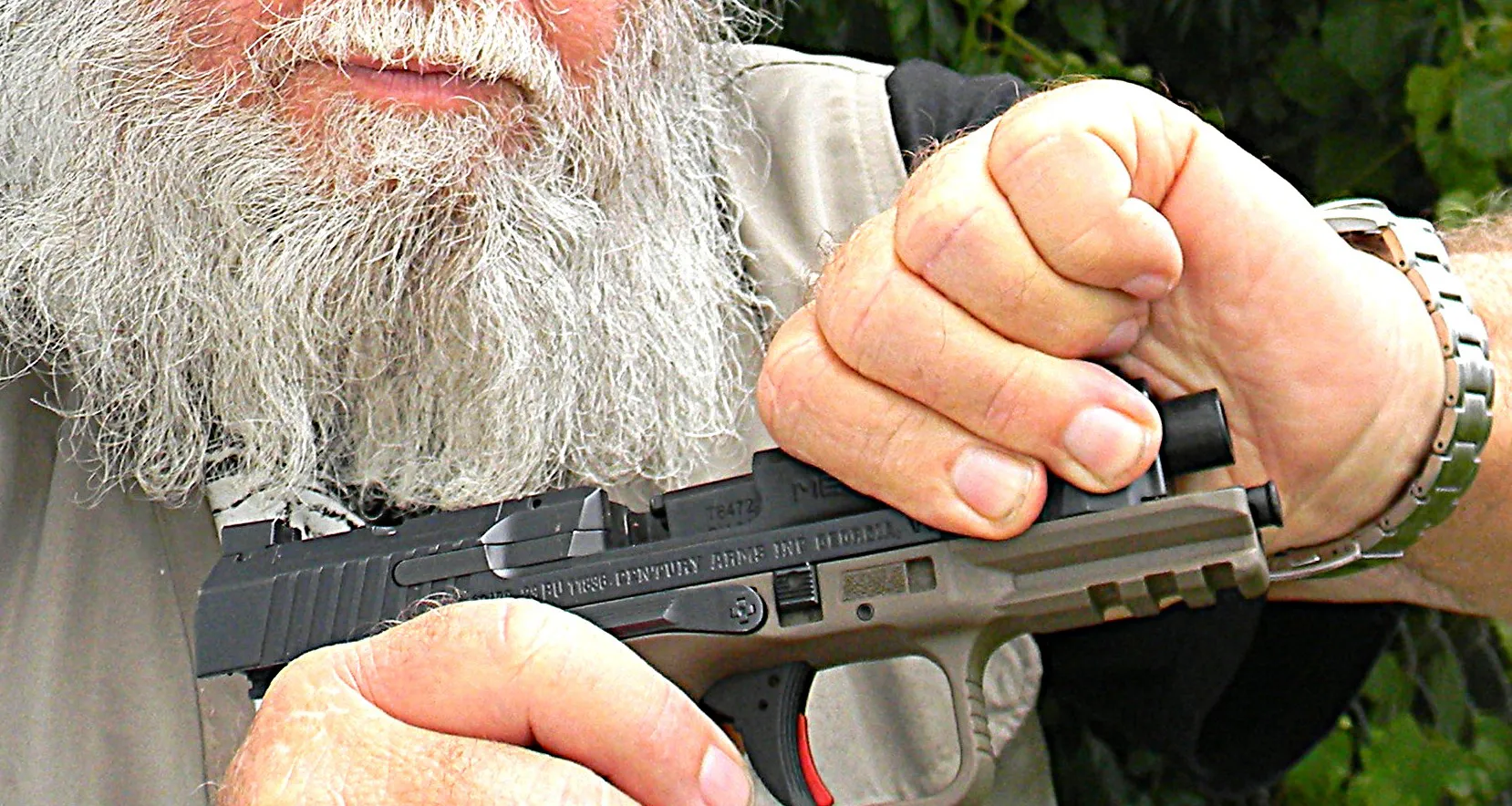
In a genuine self-defense emergency, the fraction of a second needed to rack the slide and load a round into an empty chamber can be the difference between life and death.
- Most real-world defensive encounters happen fast and at close range, so having an unprepped gun carries its own risks.
- Also, fine-motor skills degrade severely because of adrenaline dumps — racking a slide under stress is harder than it sounds in practice.
- If you’re injured (especially a hand/arm), chambering a round one-handed is extremely difficult.
- Racking the slide introduces another mechanical step that can fail — short-stroking the slide movment and having clothing interference are just two issues.
- A chambered round is fired with a simple “draw and press” motion with a double-action pistol or revolver. With a single-action handgun, it’s “draw, click (the safety), and press” — fewer steps, fewer failure points.
Virtually every professional firearms instructor and law-enforcement agency trains and carries with one in the chamber. This isn’t accidental.
Cons of Carrying a Round in the Chamber
There are problems with carrying a chambered round that are worth noting.
- There’s a negligent discharge risk (if the handgun is improperly handled). A chambered cartridge will fire if the trigger is pressed — so a poor holster choice moving the trigger or poor trigger discipline can cause problems. This risk is largely mitigated by a quality holster that fully covers the trigger guard.
- Psychological discomfort. Some people are simply not comfortable with carrying with a round in the chamber, which is valid — comfort and confidence matter. This is usually resolved through more training and familiarity with your specific firearm’s safety mechanisms.
The Bottom Line
Modern striker-fired pistols (Glock, M&P, etc.) are designed specifically to be carried with a round in the chamber. The blade safeties built into the triggers keep the pistols from discharging unless the trigger is pulled.
The consensus among self-defense professionals is that if you carry, you should carry chambered — but only once you have:
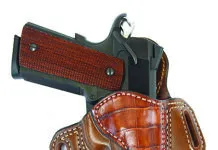
- A quality, trigger-covering holster
- Solid trigger discipline and safe handling habits
- Enough training and familiarity with your firearm to be confident
Carrying unchambered (“Israeli carry”) is a legitimate choice while you’re building that foundation, but it’s generally considered a transitional stage rather than a long-term strategy for most defensive-carry scenarios.